25th July 2026


Ever walk into a room that feels effortless? Balanced, calm, cohesive but not boring? Chances are, it wasn’t the wallpaper or the sofa that made it feel that way. It was the foundation: the invisible structure behind good design.
No matter your aesthetic — classic, contemporary, coastal, or cottage — these are the universal building blocks that make a space sing.
The Mistake:
Pushing furniture against walls or overcrowding the space.
The Fix:
Start with the purpose of the room: Is it for relaxing, entertaining, working, or all of the above? Then map the main walkways. You want a natural flow that feels easy and open. Float furniture if needed — sometimes the best layout means pulling pieces away from the walls to create zones.
The Mistake:
A room full of the same material (looking at you, grey velvet everything).
The Fix:
Mix materials to add interest. Think: linen with leather, velvet with rattan, wool with metal. The key is contrast. Even in a neutral palette, texture brings depth, warmth, and life to the room.
The Mistake:
Either going too monochrome or using too many statement colours with no anchor.
The Fix:
Use the 60/30/10 principle. Choose:
60% of a dominant colour (usually neutral or soft tones for walls or large furniture)
30% of a secondary colour (upholstery, rugs, curtains)
10% of an accent colour (cushions, art, vases)
This creates a balanced, intentional palette without feeling over-designed.
The Mistake:
Too many “look at me” pieces — or none at all.
The Fix:
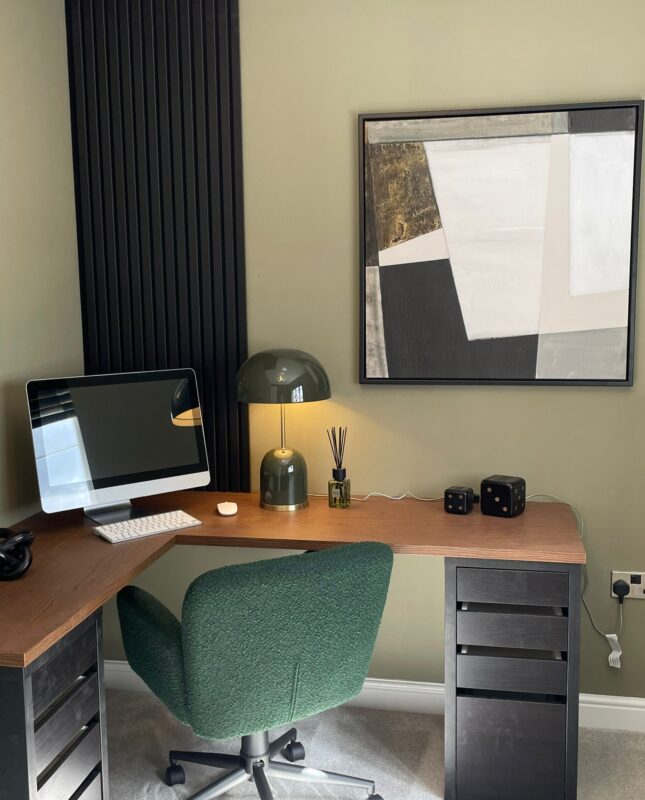
Aim for one or two hero pieces per room (like a bold coffee table, chandelier, or oversized artwork) supported by subtler elements. If everything is loud, nothing stands out. If everything is muted, the space risks feeling bland.
The Mistake:
Relying on one overhead bulb.
The Fix:
Use lighting to create mood, zones, and function. A mix of ambient, task, and accent lighting is essential. Dimmable options let you shift the feel throughout the day. Think floor lamps in reading corners, table lamps on sideboards, and wall lights to wash the walls in softness.
A well-designed room often isn’t about adding more—it’s about taking the right things away. Step back and ask, “Is this piece serving the space?” If not, let it go.
When you understand the rhythm behind design, you can decorate confidently — no matter your budget, experience, or Pinterest obsession.
Find out your interior design personality and contact us for more help!